
The historical evolution of gambling from ancient rituals to modern-day strategies
The Origins of Gambling in Ancient Cultures
The history of gambling can be traced back to ancient civilizations, where it played a significant role in social and cultural practices. Evidence from archaeological sites indicates that games of chance were popular in societies like the Egyptians, Greeks, and Romans. These early forms of gambling often involved rituals and were deeply intertwined with religious beliefs. Dice, made from various materials, were commonly used in games, symbolizing fate and fortune. Today, you can explore the official site qqbet for more insights into current games based on these historical practices.

In addition to dice games, ancient cultures developed various betting practices that laid the groundwork for modern gambling. The Romans, for instance, established elaborate betting systems around gladiatorial contests, showcasing the intersection of sport and chance. These early forms of gambling highlighted not only the human desire for risk and reward but also the social dynamics that gambling created, such as community bonding and competition.
The Rise of Gambling in the Middle Ages
As societies evolved during the Middle Ages, so too did gambling practices. This era saw the introduction of card games, which originated in China and spread throughout Europe. The invention of playing cards added a new dimension to gambling, allowing for a variety of games that appealed to different social classes. Gambling houses and taverns became popular venues for these activities, fostering a communal environment for both entertainment and betting.
Furthermore, the church’s stance on gambling during this period fluctuated, sometimes condemning it while at other times accepting it as a form of recreation. This ambiguity contributed to a culture of secrecy and illicit gambling, as individuals sought to enjoy the thrill of chance despite potential consequences. The Middle Ages set the stage for more organized gambling systems that would emerge in the following centuries, as societal attitudes towards chance began to shift.
The Evolution of Gambling in the 18th and 19th Centuries
The 18th and 19th centuries marked a significant turning point for gambling, especially with the establishment of formal casinos in cities across Europe. The first modern casino, the Casino di Venezia, opened in Italy, attracting elite patrons and fostering a new era of gambling sophistication. During this time, games like roulette and baccarat gained immense popularity, contributing to a structured gambling environment that was both glamorous and risky.
In addition to physical establishments, gambling also expanded into the realm of sports. Betting on horse racing became a widespread practice, with organized events that drew large crowds. This growth in gambling culture led to the creation of betting regulations and laws, as governments sought to control and monetize these activities. The 19th century also saw the introduction of lotteries, which provided funding for public projects while enticing players with the promise of substantial rewards.
The Impact of Technology on Modern Gambling
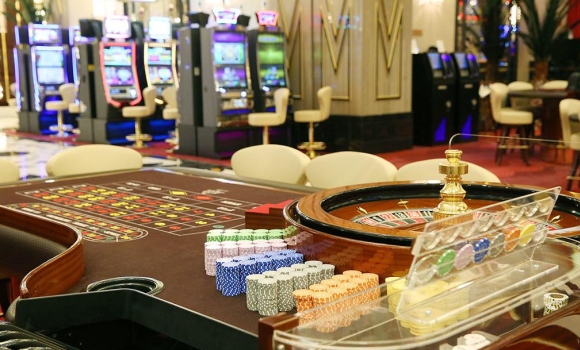
The advent of technology in the 20th century revolutionized gambling in unprecedented ways. The introduction of slot machines and electronic gaming machines transformed the casino experience, making it more accessible to the general public. This shift not only diversified the types of games available but also attracted a wider audience, leading to the establishment of mega-casinos and entertainment complexes.
With the rise of the internet, online gambling emerged as a new frontier. Online casinos, poker rooms, and sports betting platforms have made gambling accessible to anyone with an internet connection. This technological evolution has also fostered innovative strategies for players, including data analysis and statistical approaches to improve winning odds. The modern gambler is now equipped with tools and resources that previous generations could hardly have imagined.
Conclusion: The Future of Gambling
As we continue to witness the historical evolution of gambling, it becomes evident that this activity will persist in adapting to societal changes and technological advancements. The fusion of tradition and innovation is likely to shape the gambling landscape for years to come. Contemporary strategies and practices are being influenced by trends such as mobile gaming, virtual reality, and artificial intelligence, making the future of gambling both exciting and unpredictable.
Our website provides valuable insights and resources to help you navigate the dynamic world of gambling. Whether you are a seasoned player or a newcomer, our articles and guides aim to enhance your understanding of strategies, games, and the evolving gambling culture. Stay informed and engaged with the latest developments in this fascinating field.